
When a loved one passes away and leaves behind a home, families often have many responsibilities to manage. There may be probate paperwork, beneficiary questions, financial considerations, personal belongings to sort through, and eventually a decision about what to do with the property.
One important consideration can sometimes get overlooked:
Who is looking after the property?
An inherited home doesn’t stop being an estate asset simply because it is vacant.
In fact, protecting and preserving the property while the estate is being handled can be an important part of the overall process.
What Is Asset Preservation?
When we talk about asset preservation in the context of an estate property, we’re generally talking about taking reasonable steps to maintain the property’s condition and protect it from avoidable problems.
Depending on the circumstances, this might include:
- Checking on the property regularly
- Maintaining the exterior and landscaping
- Monitoring the property’s condition
- Addressing maintenance concerns
- Paying attention to potential water or weather-related issues
- Taking reasonable security precautions
- Planning for necessary repairs or clean-out
- Preparing the property for its eventual sale
The specific responsibilities of an executor or estate representative depend on the circumstances, so legal and financial questions should be addressed with the appropriate professionals.
Why Vacant Properties Need Attention
A vacant home can develop problems that might otherwise be noticed quickly if someone were living there.
A maintenance issue, for example, may go unnoticed until it becomes a much larger problem. Landscaping can become overgrown, exterior conditions can deteriorate, and unauthorized access can become a concern.
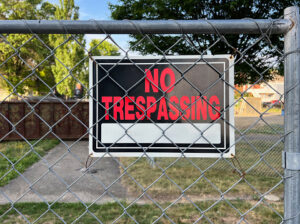
And there’s another issue New York property owners should be aware of: occupancy.
What About Squatters and Unauthorized Occupants in New York?
You may have heard the phrase “squatters’ rights” used to describe situations involving people who occupy a property without the owner’s permission.
The legal situation is more nuanced than simply saying that someone automatically becomes a legal tenant after 30 days.
However, 30 days is an important threshold when it comes to certain occupant protections in New York.
New York Courts state that if someone has lived in a home for at least 30 days, the owner generally cannot simply change the locks and remove that person without going through the appropriate legal process.
New York Courts also provide a specific process for owners dealing with people who entered a property without permission and are considered squatters. Depending on the circumstances, the owner may need to serve the appropriate notice and pursue a court proceeding.
This is not the same thing as adverse possession. Adverse possession has separate legal requirements, including continuous possession for the statutory period; 30 days of occupancy does not mean someone has acquired ownership of the property.
Why Does This Matter for Probate Properties?
Imagine an inherited home sitting vacant while an estate is being settled.
If nobody is checking on the property, an unauthorized occupant could potentially move in without the family realizing it immediately.
Once an occupancy situation develops, resolving it may require legal notices and court proceedings rather than simply changing the locks.
That’s one reason proactive property oversight matters.
Asset Preservation Is About More Than Preventing Damage
Protecting an inherited property isn’t only about preventing physical deterioration.
It’s also about preserving the property’s potential value and keeping the estate’s options open.
Regular attention can help identify:
1. Maintenance concerns
2. Security issues
3. Exterior problems
4. Necessary repairs
5. Clean-out needs
6. Potential preparation for sale
And importantly, it allows problems to be identified before they become emergencies.
Don’t Wait Until You’re Ready to List
One of the biggest mistakes families can make is thinking about the property only when they’re ready to put it on the market.
There may be weeks or months between the time a property becomes part of an estate and the time it’s ready to sell. That period matters.
A proactive plan can help you determine what needs attention, what can wait, and what preparation may make sense.
And before spending money on renovations, it’s worth evaluating whether those improvements are actually appropriate for the property and the market.
Sometimes a property may make sense as an as-is sale. In other situations, strategic preparation may be beneficial.
There isn’t a one-size-fits-all answer.
Protect. Preserve. Prepare.
An inherited property is more than a house.
It’s an estate asset.
Taking steps to protect that asset while the estate is being handled can help families avoid unnecessary surprises and put themselves in a better position when it’s time to decide what comes next.
As a Probate Estate Specialist, I help families and estate representatives navigate the real estate side of the process—from understanding the property’s condition and preparation needs to developing a strategy for its eventual sale.
If you’re responsible for an inherited property, don’t wait until you’re ready to sell to start thinking about protecting it.
Start with a plan.
Need Help With an Inherited Property?
If you’re an executor, administrator, trustee, or family member dealing with an estate property in New York, I’m happy to help you understand the real estate options available to you.
Disclaimer: We are not attorneys and therefore we are not offering legal advice.
My team and I can assist you with clean outs, removal of household items, estate sale, winterizing, landscaping, home maintenance and any other non-legal tasks that will help to lighten the load as you go through the probate process. Give us a call at 516-300-2427 or send an email to smbizsol@gmail.com